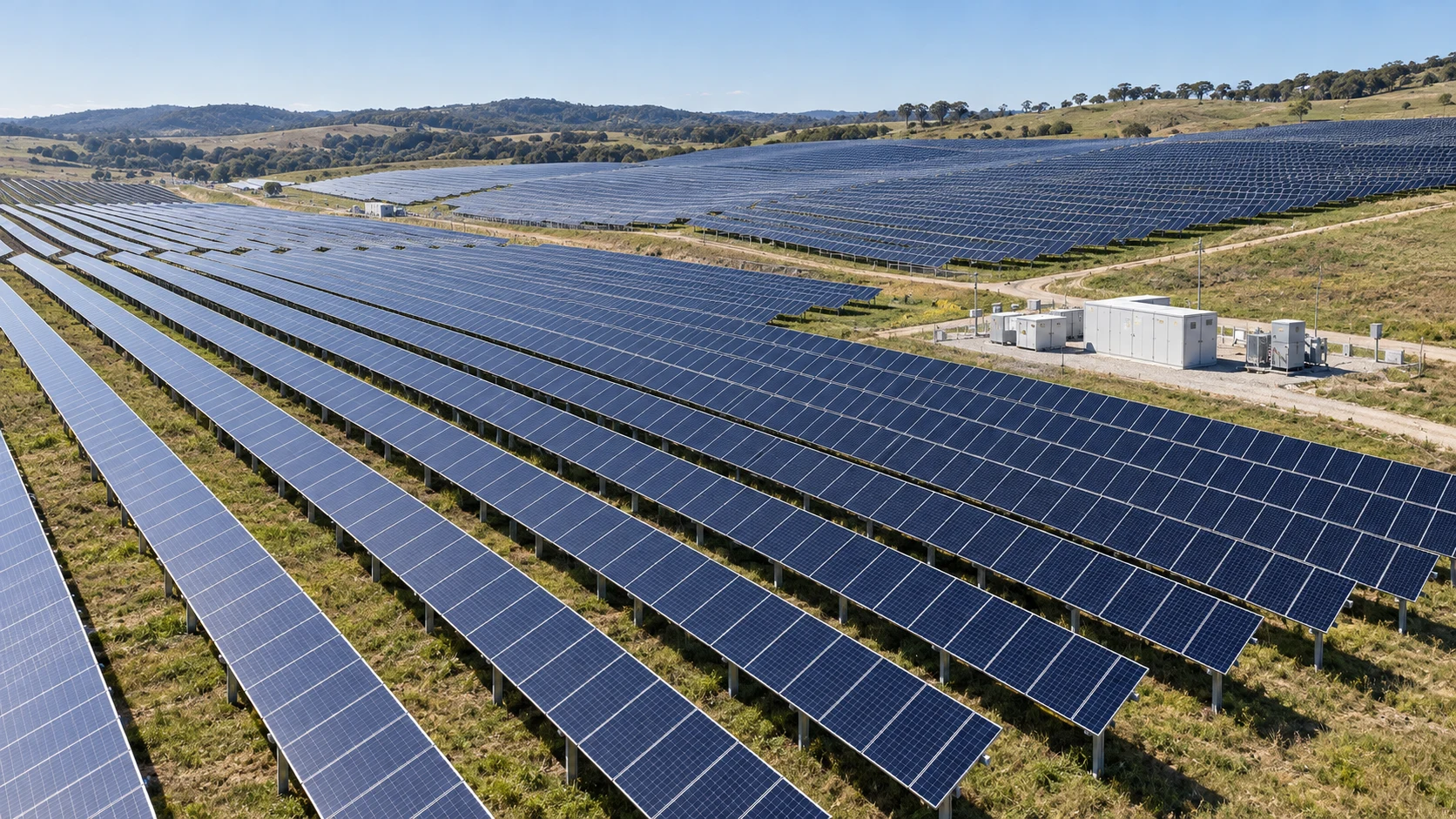
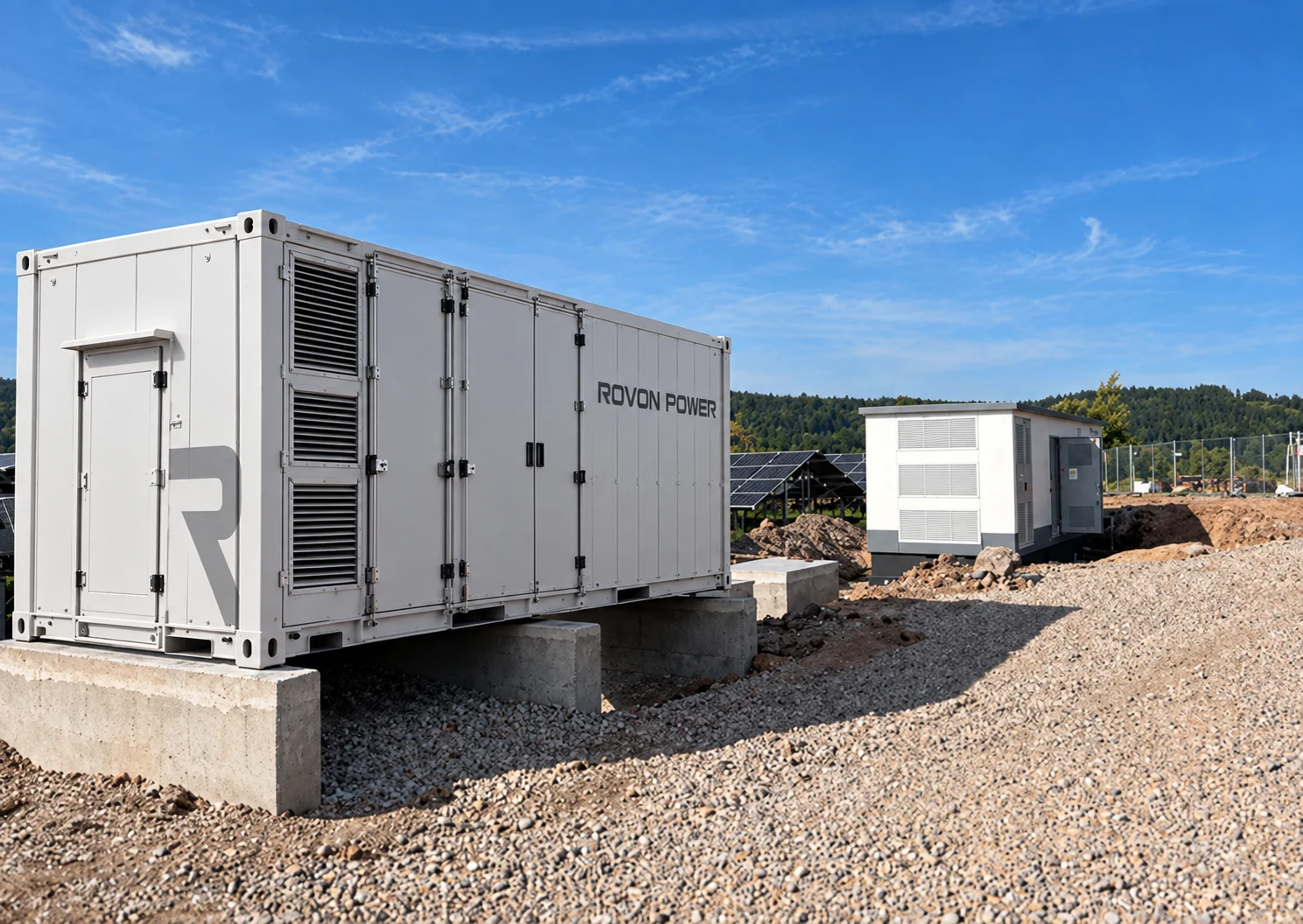
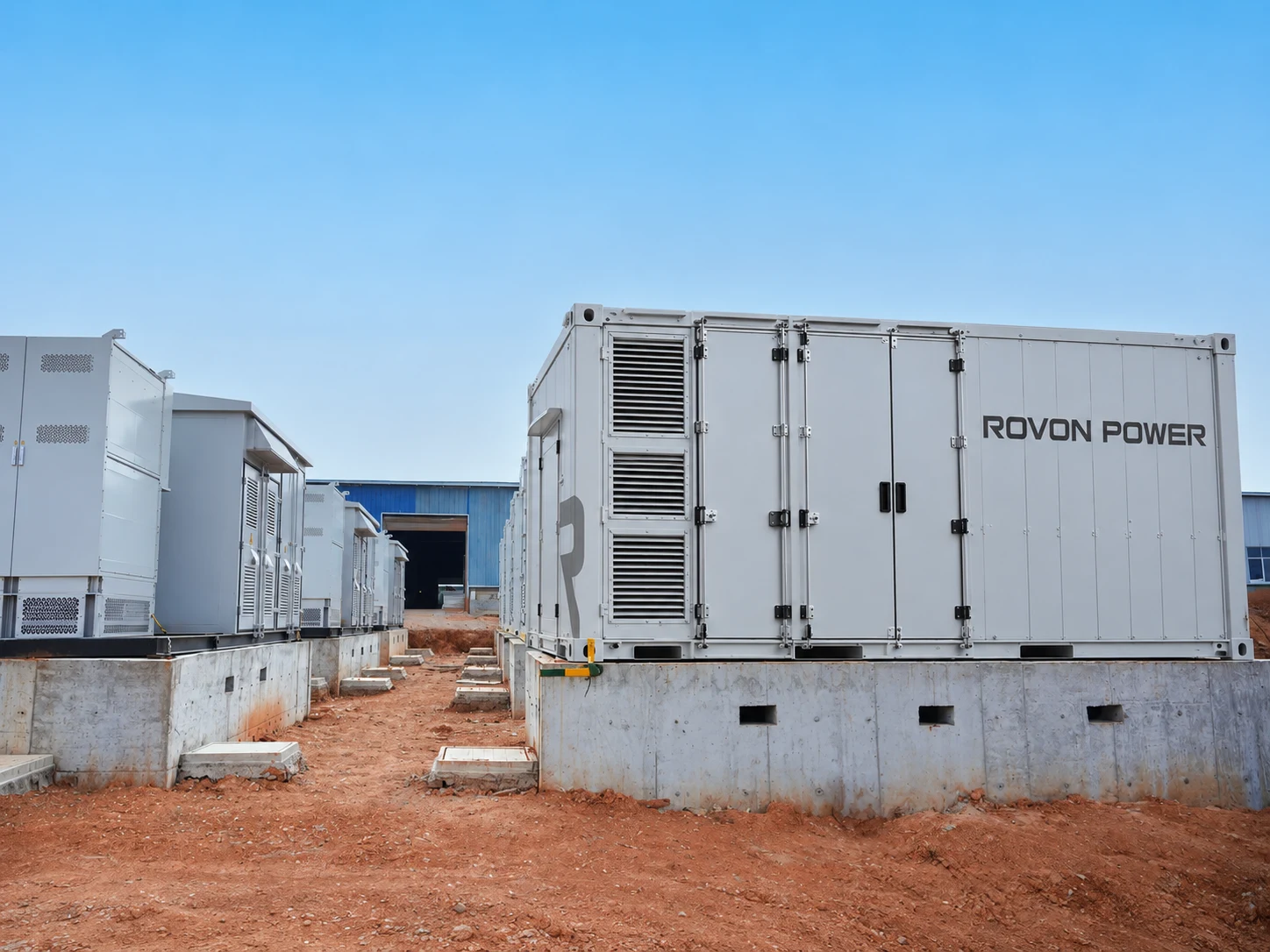
Solar generation and large-scale storage need a coordinated equipment scope. We help align modules, batteries, PCS and supporting electrical equipment around the project requirements.
Choose a starting point. We connect the operating goal to the equipment it needs.
SOLAR PLANT CONFIGURATION
Match the field to the electrical design.
Select module technology and format alongside string voltage, inverter loading, site climate and the mounting layout. Confirm the electrical and mechanical interfaces before procurement.
Cold-weather open-circuit voltage, input current and MPPT operating limits are reviewed together.
POWER × DURATION
Define the duty before the container count.
Choose the target power and energy duration, then consider usable energy, operating limits, PCS architecture and thermal management. Coordinate BMS and EMS communications with the selected equipment.
MW is power. MWh is energy. A suitable configuration depends on the required operating duty and site conditions.
ONE PLANT, MULTIPLE ENERGY PATHS
Connect generation and storage to one plan.
Compare AC and DC coupling around the existing or new PV plant, grid-connection constraints and control strategy. Align metering, conversion and protection interfaces across the equipment scope.
Grid studies, approvals and detailed site engineering must follow the project’s local requirements.
THE DETAILS THAT CHANGE THE DESIGN
One equipment scope. Fewer unresolved interfaces.
Large projects depend on the details between products as much as the products themselves.
Confirm the project duty.
Plant capacity, storage duration, operating schedule and the point of connection define the design direction.
Coordinate power and control.
Compare string or centralized PCS arrangements, battery voltage ranges and the required communication interfaces.
Prepare for procurement.
Bring the module, BESS, conversion and BOS scope into a coordinated equipment list with open technical points clearly recorded.