Choose a starting point. We connect the operating goal to the equipment it needs.
DAYTIME TO EVENING
Keep daytime energy working after sunset.
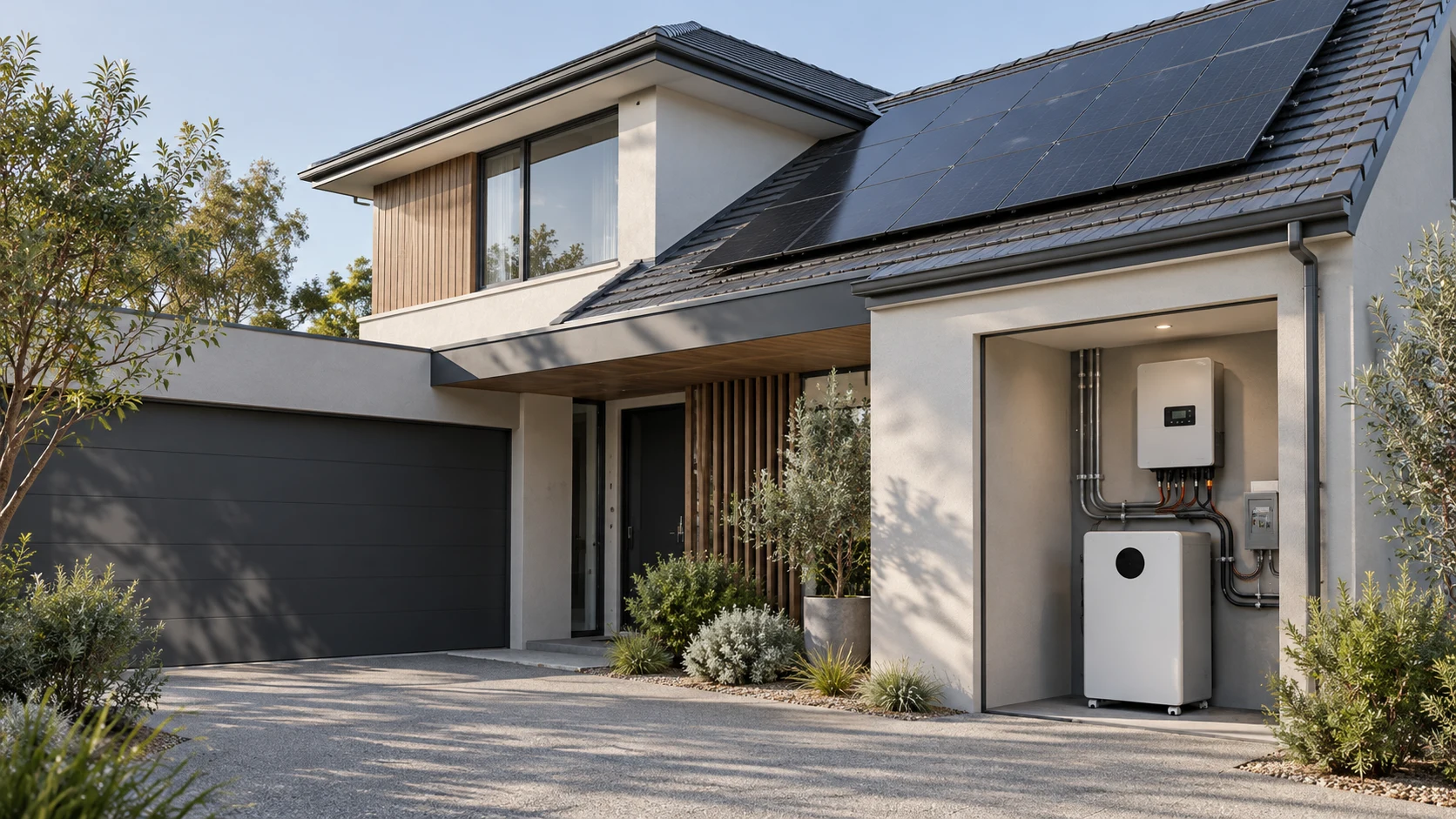
Solar can supply daytime loads first. A compatible battery stores surplus energy for the evening, with export settings arranged around the local connection rules.
Battery size follows usable energy and your daily consumption—not just the size of the solar array.
BACKUP THAT HAS A PURPOSE
Start with the loads you cannot lose.
Lighting, refrigeration, communications and other essential circuits can be separated from heavy loads. We check inverter backup capability, battery discharge power and the transfer arrangement together.
Grid-connected solar alone does not provide outage backup. Backup requires suitable equipment and isolation from the grid.
BUILD ON WHAT YOU HAVE
Keep useful equipment. Check the interfaces.
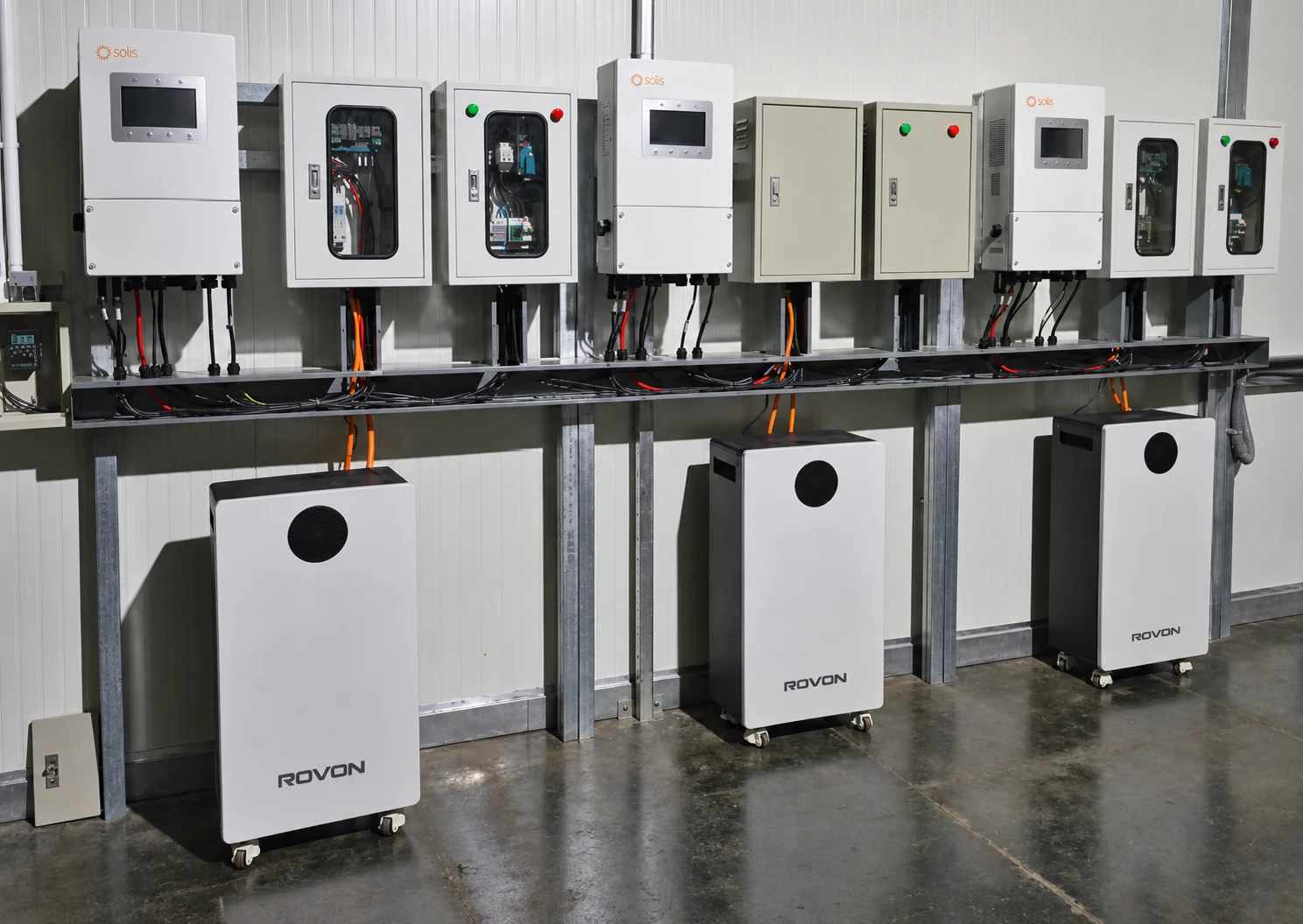
Share your existing inverter model, PV capacity and connection details. We compare a compatible AC-coupled storage addition with a hybrid replacement where appropriate.
Compatibility, export limits and backup operation need to be confirmed for the selected models.
THE DETAILS THAT CHANGE THE DESIGN
A home system should fit your routine.
A solar array, battery and inverter are only useful together when their sizes and operating limits match.
Power and energy are different.
kW describes what can run at one time. kWh describes stored energy. We check appliance demand and backup hours separately.
The grid connection matters.
Single or three phase, voltage, export permission and outage frequency help determine the right inverter and backup configuration.
The installation must make sense.
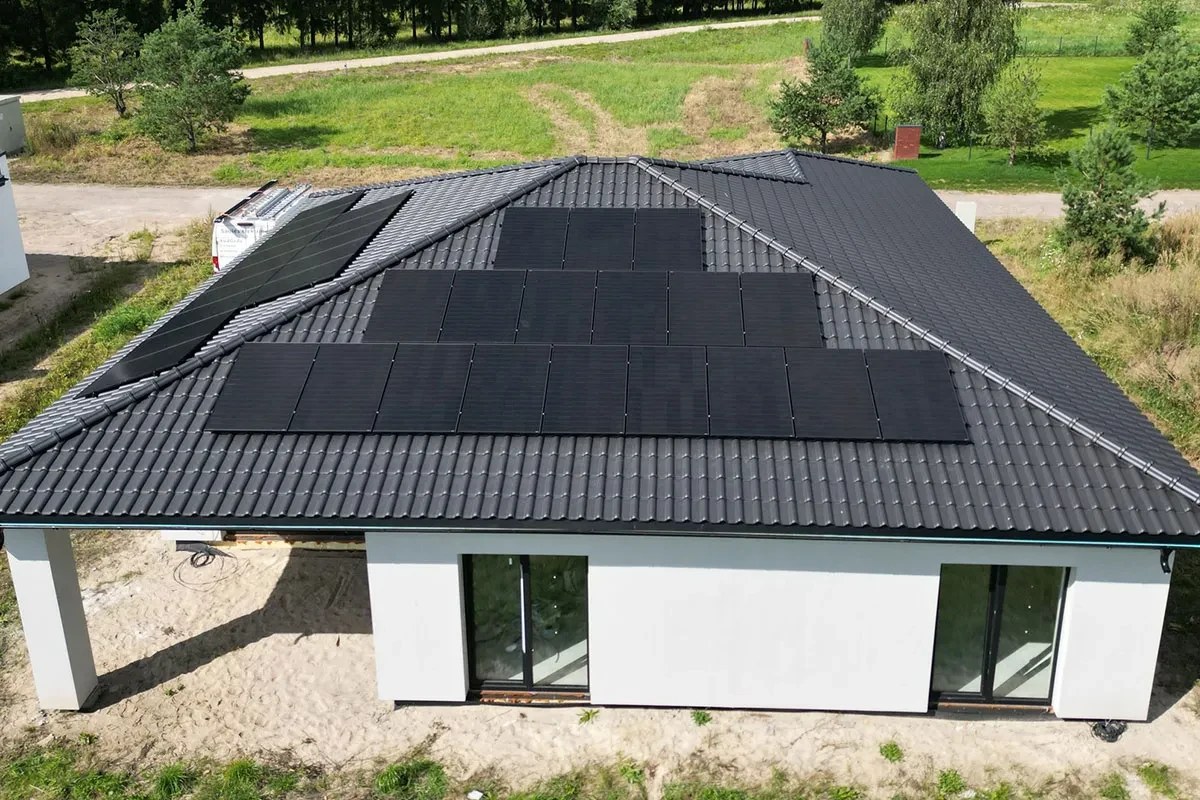
Roof area, shading, mounting type, battery location and cable routes shape a practical equipment list.